

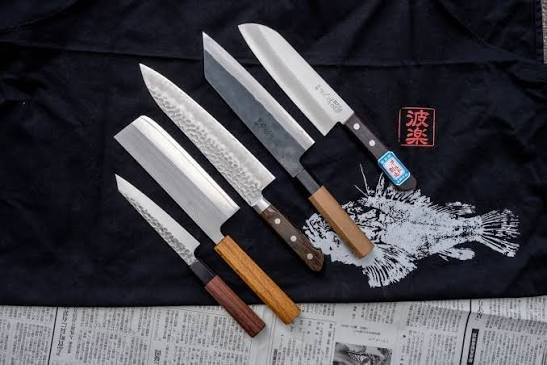
SharpEdge Japanese Knives Review 2026: Is It Worth It?
A great kitchen knife can completely change the way food preparation feels. SharpEdge specializes in Japanese kitchen knives, bringing together everything from versatile Gyuto and […]
A great kitchen knife can completely change the way food preparation feels. SharpEdge specializes in Japanese kitchen knives, bringing together everything from versatile Gyuto and Santoku knives to Bunka, Nakiri, Petty knives, sharpening stones, cutting boards, and knife-care accessories.

But Japanese knives can also be confusing for first-time buyers. Blade shape, steel type, hardness, handle design, length, maintenance, and sharpening requirements all matter. In this SharpEdge review, we look at what the store offers, which knife styles make sense for different cooks, and what you should know before placing an order.
Affiliate Disclosure: Nestora may earn a commission when you purchase through links on this page. This does not increase the price you pay. Prices, availability, shipping terms, taxes, and product specifications can change, so always verify the latest details on SharpEdge before ordering.
What Is SharpEdge?
SharpEdge is a specialist retailer focused on high-performance Japanese kitchen knives and related accessories. The company says its journey began around 2010 after founder Luka became interested in Japanese knives and eventually started bringing them to cooks and chefs in Europe.
Today, SharpEdge operates an online store and a physical showroom in Ljubljana, Slovenia. Its catalog includes knives from numerous Japanese makers and blacksmiths, along with sharpening equipment, cutting boards, knife storage, handles, and other kitchen accessories.
One of the strengths of the store is the amount of educational information surrounding the products. Instead of simply listing knives, SharpEdge also publishes guides covering blade shapes, steels, sharpening, knife care, and Japanese knife-making traditions.
SharpEdge Review: Quick Verdict
✓ Best For
- Home cooks upgrading from basic kitchen knives
- Professional and enthusiast cooks
- People shopping for authentic Japanese kitchen knives
- Buyers interested in handcrafted blades
- Anyone who wants sharpening and knife-care accessories
✕ Think Twice If
- You want a dishwasher-safe knife with almost no maintenance
- You regularly cut frozen food, bones, or other hard materials
- You do not want to learn basic Japanese knife care
- You are looking only for the cheapest kitchen knife available
Our Quick Take
SharpEdge is particularly appealing if you want more choice and education than you normally get from a general kitchen retailer. The catalog covers beginner-friendly knives through high-end handcrafted blades, while its sharpening and care products make it possible to build a complete Japanese knife setup in one place.
Which Japanese Knife Should You Choose?
The most important decision is not the finish or Damascus pattern — it is choosing the right blade shape. Different Japanese knife profiles are designed around different cutting styles and kitchen tasks.
| Knife Type | Best For | Typical Use |
|---|---|---|
| Gyuto | Best all-rounder | Meat, fish, vegetables, herbs |
| Santoku | Home cooks | Chopping, slicing, dicing |
| Bunka | Precision + versatility | Vegetables, meat, detail work |
| Nakiri | Vegetables | Fast vegetable prep |
| Petty | Small precision work | Peeling, trimming, small ingredients |
1. Gyuto — Best All-Around Japanese Knife
If you want one Japanese knife to handle most of your everyday kitchen work, a Gyuto is one of the best places to start.
Gyuto is the Japanese interpretation of a Western chef’s knife. Its curved profile, useful tip, and relatively long blade make it suitable for preparing meat, fish, vegetables, herbs, and many other ingredients.
- Excellent multipurpose design
- Useful pointed tip for detail work
- Good choice for meat and vegetables
- Common lengths include around 180–240mm
- Large range of steels and handle styles available
Why Gyuto Is Such a Good First Japanese Knife
A good Gyuto can replace several specialized knives during normal meal preparation. The blade is usually long enough for slicing larger ingredients but still agile enough for chopping onions, herbs, vegetables, and boneless proteins.
For many home cooks, a Gyuto around 210mm offers a practical balance between cutting length and maneuverability. Longer versions provide more slicing range but usually require more board space and confidence with a larger blade.
2. Santoku — A Great Choice for Home Cooks
The Santoku is one of the most popular multipurpose kitchen knife shapes in Japan. It is generally shorter and more compact than a full-size Gyuto, making it especially comfortable in smaller kitchens.
SharpEdge describes Santoku knives as versatile tools for slicing, dicing, and chopping, with many examples around the 165–180mm range.
- Compact and easy to control
- Excellent for vegetables
- Useful for boneless meat and fish
- Good alternative to a larger chef’s knife
- Strong choice for everyday home cooking
3. Bunka — Versatile With a Precision Tip
A Bunka shares many characteristics with a Santoku but usually has a more angular tip. That pointed profile can be useful when working around smaller ingredients or performing more detailed cuts.
For cooks who like the compact feel of a Santoku but want a more aggressive precision tip, the Bunka is an interesting alternative. It can handle general vegetable and protein preparation while providing additional control for tip work.
4. Nakiri — Made for Vegetable Prep
If vegetables make up a large part of your cooking, the Nakiri deserves attention. Its tall, relatively flat blade is designed specifically for vegetable preparation.
The shape works well for clean push cuts through onions, cabbage, herbs, carrots, and other vegetables while the tall blade also gives your knuckles useful clearance from the cutting board.
- Purpose-built for vegetables
- Tall blade provides useful board clearance
- Flat profile works well with push cutting
- Excellent companion to a Gyuto or Petty knife
5. Petty Knife — Best for Small Precision Tasks
A Petty knife is essentially a compact utility knife designed for jobs where a larger Gyuto or Santoku feels cumbersome.
It works well for peeling, trimming, cutting fruit, preparing small vegetables, removing unwanted sections from ingredients, and other detailed preparation.
- Compact and precise
- Useful for peeling and trimming
- Easy to maneuver around small ingredients
- Excellent second knife after a Gyuto or Santoku
Understanding Japanese Knife Steel
Blade shape is only one part of choosing a Japanese knife. Steel determines characteristics such as edge retention, corrosion resistance, sharpening behavior, and how much care the knife requires.
Stainless Steel
Steels such as VG-10 and Ginsanko are popular with cooks who want good cutting performance with easier corrosion resistance than traditional carbon steel.
Carbon Steel
Traditional carbon steels such as Aogami and Shirogami can deliver excellent cutting performance but require more attention to moisture, drying, and corrosion prevention.
Powder Steel
Premium powder steels such as SG2/R2 can provide excellent edge retention and allow makers to create thin, high-performance blades, although these knives can cost considerably more.
Hardness Matters
Many Japanese knives use relatively hard steel. That can support a fine cutting edge and good edge retention, but thin hard blades should be treated carefully and should not be twisted through hard ingredients or used for tasks they were not designed to handle.
Sharpening and Knife Maintenance
Buying a quality knife is only the beginning. Every kitchen knife eventually loses sharpness, so proper maintenance is essential if you want the blade to continue performing as intended.
SharpEdge sells sharpening stones, flattening stones, honing accessories, angle guides, leather strops, and sharpening sets. A combination whetstone can be a practical starting point for cooks who want to learn basic sharpening at home.
Basic Japanese Knife Care
- Hand wash the knife instead of putting it in the dishwasher.
- Dry the blade after washing.
- Use a suitable wood, rubber, or knife-friendly cutting board.
- Avoid bones, frozen foods, and other hard materials unless the knife is specifically designed for them.
- Sharpen the edge when performance begins to decline.
- Store the blade so the edge does not repeatedly strike other utensils.
Do You Need a Better Cutting Board?
The surface underneath your knife also matters. Very hard cutting surfaces can be rough on thin Japanese edges, while more forgiving wood and specialist synthetic or rubber boards can provide a better cutting surface.
SharpEdge carries traditional wooden boards along with specialist options such as Hasegawa cutting boards designed with a softer cutting surface.
What We Like About SharpEdge
✓ Pros
- Large selection of Japanese kitchen knives
- Many different blade shapes and steels
- Products for beginners through experienced enthusiasts
- Detailed product specifications
- Extensive sharpening and knife-care selection
- Educational Learning Center
- Worldwide shipping available to many destinations
✕ Things to Consider
- Premium handcrafted knives can become expensive
- Large catalog may initially confuse beginners
- Hard Japanese blades require appropriate care
- Carbon steel requires additional maintenance
- International shipping rules differ by destination
- Import rules for kitchen knives should be checked locally
SharpEdge Shipping & Returns
SharpEdge ships internationally from Europe using DHL Express. At the time of this review, the store advertises a €10 standard worldwide shipping rate and free shipping on qualifying orders over €300, although exceptions apply to certain countries.
The store states that orders are normally dispatched within one business day, with estimated delivery times depending on destination. Import requirements and additional charges can vary by country, so customers should review the latest shipping information before checkout.
SharpEdge currently has a 30-day return policy, extended to 60 days for orders placed in November and December. Returned products must meet the applicable return conditions, and engraved knives have additional restrictions.
Important: Shipping costs, customs requirements, duties, taxes, and knife import regulations can change. Check SharpEdge’s current shipping policy and your local regulations before ordering.
Who Should Buy From SharpEdge?
Home cooks buying their first serious knife
A versatile Gyuto or Santoku can be an excellent starting point for someone moving beyond inexpensive supermarket knife sets. SharpEdge provides enough specifications and educational material to help new buyers compare different options.
Japanese knife enthusiasts
Enthusiasts can explore different smiths, steel types, blade finishes, handle materials, and traditional Japanese shapes, including more specialized and premium options.
Cooks who want to sharpen their own knives
The sharpening section is another major advantage. You can combine your knife purchase with whetstones, flattening stones, strops, guides, and other maintenance tools instead of shopping from several different retailers.
Is SharpEdge Legit?
SharpEdge is more than a simple product-listing website. The company operates a physical showroom in Ljubljana, Slovenia, offers knife-maintenance services, and publishes a substantial educational library about Japanese knives, sharpening, blade steels, knife types, and Japanese blacksmiths.
That specialist focus is useful because choosing a Japanese knife often requires more information than simply comparing price and appearance. Blade geometry, steel, intended use, maintenance, and personal preferences can all affect whether a knife is right for you.
Frequently Asked Questions
What does SharpEdge sell?
SharpEdge specializes in Japanese kitchen knives and related equipment including Gyuto, Santoku, Bunka, Nakiri, Petty and other knife styles, along with sharpening stones, cutting boards, storage products, handles, and knife-care accessories.
What is the best Japanese knife for a beginner?
For many home cooks, a medium-size Gyuto or Santoku is a practical first Japanese knife because both shapes can handle a wide range of everyday food-preparation tasks.
What is the difference between Gyuto and Santoku?
Gyuto knives are generally longer and resemble Western chef’s knives, making them highly versatile for meat, fish, and vegetables. Santoku knives are usually shorter and more compact, which many home cooks find comfortable for everyday slicing, dicing, and chopping.
What is a Nakiri knife used for?
Nakiri is a traditional Japanese vegetable knife. Its tall, relatively flat blade is particularly well suited to chopping and push-cutting vegetables on a cutting board.
Do Japanese knives need special care?
Japanese kitchen knives should generally be hand washed, dried after use, stored carefully, and used on suitable cutting surfaces. Carbon steel knives require additional attention because they can react with moisture and acidic foods.
Does SharpEdge ship internationally?
SharpEdge currently offers international shipping to many destinations through DHL Express. Shipping rates, duties, taxes, restrictions, and delivery times vary depending on the destination, so check the current shipping policy before ordering.
What is SharpEdge’s return policy?
SharpEdge currently advertises a 30-day return period, with an extended 60-day period for November and December purchases. Conditions and exclusions apply, so review the latest return policy before ordering.
Where can I buy Japanese kitchen knives from SharpEdge?
You can browse SharpEdge’s current Japanese knife catalog, sharpening tools, kitchen accessories, and available products directly through the official SharpEdge online store.
The Takeaway
SharpEdge is worth exploring if you are ready to move beyond basic kitchen knives and want access to a broad selection of Japanese blades. A Gyuto is our starting point for buyers seeking maximum versatility, while Santoku offers a more compact everyday design, Nakiri specializes in vegetables, Bunka combines versatility with a precision tip, and Petty knives handle smaller detail work. Just remember that high-performance Japanese knives reward proper cutting technique, careful storage, and regular maintenance.